


Notice: Test mode is enabled. While in test mode no live donations are processed.

Any questions ?
Phone 202 303 405
Members Profile
Dr. L. Mishra
Chairman, Dharama Foundation
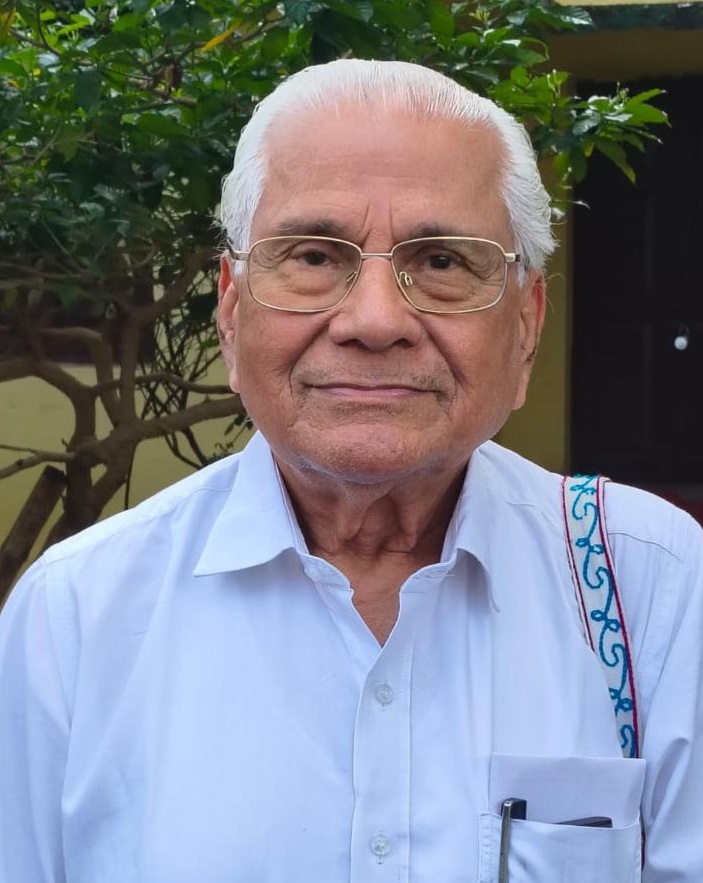
A Visionary for Human Dignity, Inclusive Development, and Shared Prosperity
Dr. L. Mishra is an eminent public policy thinker, human rights advocate, author, and development strategist whose work has been dedicated to advancing human dignity, labour justice, inclusive economic development, and institutional reform. With decades of distinguished public service and continued engagement in national and international development discourse, he has consistently championed the principle that development must empower people as creators and owners of prosperity, not merely beneficiaries of welfare.
As Chairman of Dharama Foundation, Dr. Mishra provides strategic leadership to the Foundation’s mission of promoting People’s Prosperity, Inclusive Economic Transformation, Responsible Partnerships, and Sustainable Development. His vision seeks to bridge the gap between policy and practice by building development models that are economically inclusive, socially equitable, environmentally responsible, and institutionally sustainable.
Leadership Philosophy
Dr. Mishra believes that the true measure of development is not merely economic growth, but the extent to which it expands human dignity, opportunity, justice, and shared prosperity.
His guiding philosophy is reflected in the conviction that:
“Those who create wealth must also share fairly in its value.”
This philosophy underpins the work of Dharama Foundation in promoting producer-centred development, labour dignity, community enterprises, responsible private partnerships, and people-led economic transformation.
Distinguished Public Service
Throughout his distinguished career, Dr. Mishra has held several important public responsibilities, contributing to labour administration, human rights, public policy, and governance. His publicly documented roles include service as:
- Union Labour and Parliamentary Affairs Secretary, Government of India
- Former Senior Adviser to International Labour Organization (ILO), Bangkok,
- Special Rapporteur, National Human Rights Commission, New Delhi
- Special Advisor, National Commission for Protection of Child Rights
- Independent Advisor to International Justice Mission (India)
- Chairman, Drafting Committee, National Working Groups on Home Based Workers
These assignments have enabled him to work extensively on issues relating to bonded labour, labour rights, migration, child protection, governance reforms, and social justice.
Thought Leadership
Dr. Mishra is widely recognised for his intellectual contributions to human rights and development policy. His writings examine the structural causes of poverty, bonded labour, migration, inequality, and exclusion while proposing institutional and policy reforms grounded in constitutional values and human dignity.
His notable publications include:
- Human Bondage: Tracing its Roots in India
- Bondage: Human Rights & Development
These works continue to serve as valuable references for scholars, administrators, development practitioners, and human rights professionals.
Development Innovation
Dr. Mishra advocates a transition from conventional welfare-based approaches toward ownership-based development, where communities become active participants in value creation, enterprise development, and decision-making.
His development approach integrates:
- Human Rights
- Economic Democracy
- Social Justice
- Sustainable Livelihoods
- Technological Innovation
- Environmental Stewardship
- Institutional Accountability
This integrated framework seeks to build resilient local economies while contributing to India’s long-term development aspirations.
A Commitment to Collaboration
Dr. Mishra believes that transformative development requires collaboration among governments, communities, academic institutions, businesses, civil society organizations, financial institutions, and international development partners.
Through Dharama Foundation, he welcomes partnerships that foster innovation, strengthen local institutions, and create scalable models for inclusive and sustainable development.
Chairman’s Message
“India’s greatest strength lies in its people. When farmers, workers, artisans, women, youth, and local communities are empowered to become innovators, entrepreneurs, and equal partners in development, prosperity becomes sustainable, inclusive, and transformational. Dharama Foundation is committed to building such an ecosystem-where human dignity, enterprise, and shared responsibility become the foundation of national progress.”
Guiding Principle
“Empowering People. Strengthening Institutions. Building Shared Prosperity.”
Rakshyakar Anupam
Social Policy Advocate | Labour Rights Practitioner | Member Convener, National Working Groups on Home Based Workers | Managing Trustee, Dharama Foundation
Rakshyakar Anupam is a Social Policy Advocate and Labour Rights Practitioner dedicated to advancing social justice, inclusive development, and the protection of workers’ rights. With extensive experience in community engagement, policy advocacy, and grassroots initiatives, he has consistently worked towards creating equitable opportunities for vulnerable and marginalized communities.
As the Managing Trustee of Dharama Foundation, he provides strategic leadership in designing and implementing initiatives that promote livelihood security, labour welfare, social protection, skill development, education, and community empowerment. His work is driven by the belief that sustainable development can only be achieved through dignity, equality, and active participation of communities.
Rakshyakar actively engages with civil society organizations, government institutions, industry stakeholders, and development partners to strengthen policy dialogue and promote evidence-based solutions to contemporary social and labour challenges. His areas of interest include labour law and policy, social security, migration, informal economy, youth development, gender inclusion, and sustainable livelihoods.
Under his leadership, Dharama Foundation strives to build resilient communities by fostering partnerships, encouraging innovation, and implementing people-centric programmes that contribute to inclusive growth and social transformation.
Areas of Expertise
- People’s Organisation and Institution Building
- Formation and Strengthening of Informal Workers’ Committees at Village and Urban Slum Levels
- Founder of Progressive Sramik Manch (PSM), an independent labour union advocating for workers’ rights, dignity, and social justice.
- Community Mobilisation and Grassroots Leadership Development
- Labour Rights and Social Security Advocacy
- Editor, Dharama Newsletter (English & Odia)
- Social Policy and Community Development
- Livelihood Promotion and Skill Development
- Capacity Building and Stakeholder Engagement
- Participatory Governance and Community Empowerment
“True development is measured not merely by economic growth, but by the dignity, rights, and opportunities available to every individual.”
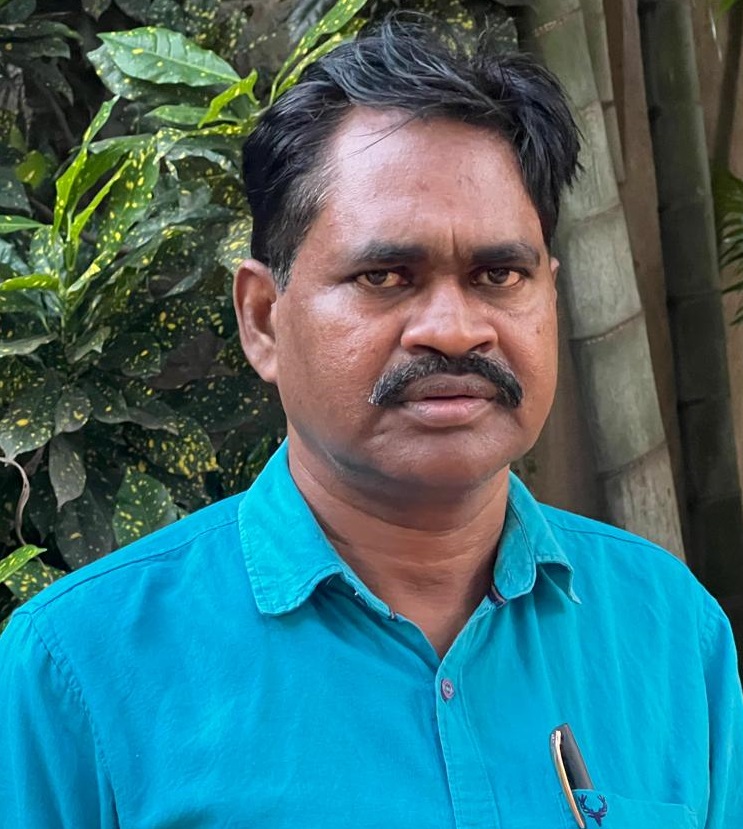
Dr. Golak Behari Nath
Former Principal, Gandhi Mahavidyalaya, Rourkela
Writer | Thinker | Social Policy Advocate
Dr. Golak Behari Nath is an eminent educationist, former Principal of Gandhi Mahavidyalaya, Rourkela (2006-2010), and a distinguished writer, thinker and social policy advocate. Widely respected for his contributions to education, public discourse and social development, he has dedicated his career to advancing knowledge, ethical leadership and inclusive social progress. beyond academia, Dr.Nath has authored numerous research papers and development articles focusing on the livelihoods, rights and social protection of informal workers, contributing valuable insights to labour and social policy discussions. Through his academic leadership, scholarly writings and policy engagement, he continues to inspire students, researches, development practitioners and policymakers in promoting evidence-based approaches to equitable sustainable development.s. Through his academic leadership, scholarly writings, and policy engagement, he continues to inspire students, researchers, development practitioners, and policymakers in promoting evidence-based approaches to equitable and sustainable development.
Sambit Mishra
MSW | Mass Communication | Trustee, Dharama Foundation
Sambit Mishra is a social development professional with academic qualifications in Master of Social Work (MSW) and Mass Communication from NISWASS. He brings expertise in community development, communication for social change, programme coordination, and stakeholder engagement.
As a Trustee of Dharama Foundation, he contributes to the Foundation’s strategic direction, governance, and programme development. His interests include community mobilisation, social awareness, capacity building, youth engagement, and promoting inclusive and sustainable development initiatives.
Committed to people-centred development, Sambit believes in strengthening communities through participatory approaches, effective communication, and collaborative action.
Areas of Expertise
- Community Development
- Development Communication
- Social Work Practice
- Community Mobilisation
- Capacity Building
- Programme Planning and Coordination
- Stakeholder Engagement
- Youth and Community Empowerment
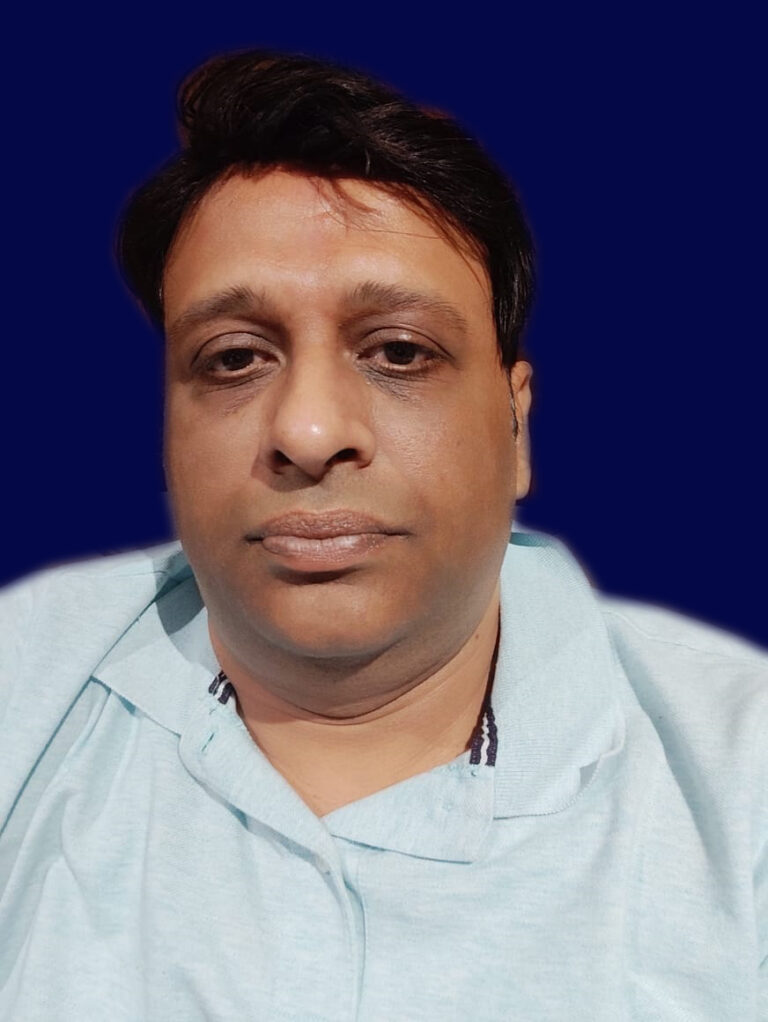
Subanti Khadia
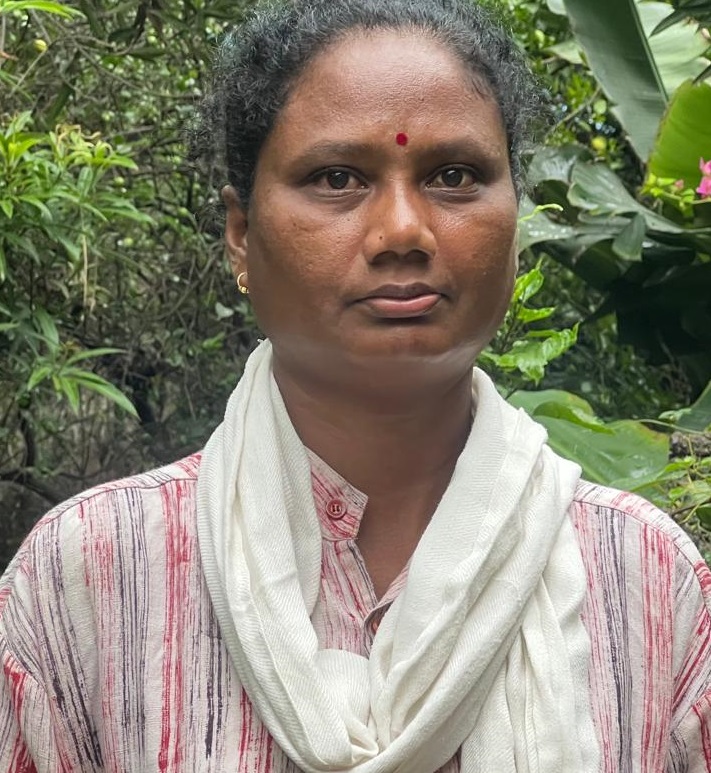
Entrepreneur | Community Mobiliser | Trustee, Dharama Foundation
Subanti Khadia is an entrepreneur and dedicated community mobiliser with extensive experience in organising and empowering informal workers. She has played a key role in mobilising communities and facilitating the formation of over 150 workers’ committees representing construction workers and home-based workers across villages and urban slums.
Her work focuses on strengthening grassroots institutions, promoting workers’ rights and social security, encouraging women’s leadership, and enhancing community participation in local development processes. She is committed to building resilient and self-reliant communities through collective action and inclusive development.
Areas of Expertise
- • Community Mobilisation
- • Formation and Strengthening of Workers' Committees
- • Grassroots Institution Building
- • Labour Rights and Social Security
- • Women's Leadership and Empowerment
- • Community Organisation and Participation
- • Livelihood Promotion
- • Capacity Building
Dr. L. Mishra
Chairman, Dharama Foundation
A Visionary for Human Dignity, Inclusive Development, and Shared Prosperity
Dr. L. Mishra is an eminent public policy thinker, human rights advocate, author, and development strategist whose work has been dedicated to advancing human dignity, labour justice, inclusive economic development, and institutional reform. With decades of distinguished public service and continued engagement in national and international development discourse, he has consistently championed the principle that development must empower people as creators and owners of prosperity, not merely beneficiaries of welfare.
As Chairman of Dharama Foundation, Dr. Mishra provides strategic leadership to the Foundation’s mission of promoting People’s Prosperity, Inclusive Economic Transformation, Responsible Partnerships, and Sustainable Development. His vision seeks to bridge the gap between policy and practice by building development models that are economically inclusive, socially equitable, environmentally responsible, and institutionally sustainable.
Leadership Philosophy
Dr. Mishra believes that the true measure of development is not merely economic growth, but the extent to which it expands human dignity, opportunity, justice, and shared prosperity.
His guiding philosophy is reflected in the conviction that:
“Those who create wealth must also share fairly in its value.”
This philosophy underpins the work of Dharama Foundation in promoting producer-centred development, labour dignity, community enterprises, responsible private partnerships, and people-led economic transformation.
Distinguished Public Service
Throughout his distinguished career, Dr. Mishra has held several important public responsibilities, contributing to labour administration, human rights, public policy, and governance. His publicly documented roles include service as:
- Union Labour and Parliamentary Affairs Secretary, Government of India
- Former Senior Adviser to International Labour Organization (ILO), Bangkok,
- Special Rapporteur, National Human Rights Commission, New Delhi
- Special Advisor, National Commission for Protection of Child Rights
- Independent Advisor to International Justice Mission (India)
- Chairman, Drafting Committee, National Working Groups on Home Based Workers
These assignments have enabled him to work extensively on issues relating to bonded labour, labour rights, migration, child protection, governance reforms, and social justice.
Thought Leadership
Dr. Mishra is widely recognised for his intellectual contributions to human rights and development policy. His writings examine the structural causes of poverty, bonded labour, migration, inequality, and exclusion while proposing institutional and policy reforms grounded in constitutional values and human dignity.
His notable publications include:
- Human Bondage: Tracing its Roots in India
- Bondage: Human Rights & Development
These works continue to serve as valuable references for scholars, administrators, development practitioners, and human rights professionals.
Development Innovation
Dr. Mishra advocates a transition from conventional welfare-based approaches toward ownership-based development, where communities become active participants in value creation, enterprise development, and decision-making.
His development approach integrates:
- Human Rights
- Economic Democracy
- Social Justice
- Sustainable Livelihoods
- Technological Innovation
- Environmental Stewardship
- Institutional Accountability
This integrated framework seeks to build resilient local economies while contributing to India’s long-term development aspirations.
A Commitment to Collaboration
Dr. Mishra believes that transformative development requires collaboration among governments, communities, academic institutions, businesses, civil society organizations, financial institutions, and international development partners.
Through Dharama Foundation, he welcomes partnerships that foster innovation, strengthen local institutions, and create scalable models for inclusive and sustainable development.
Chairman’s Message
“India’s greatest strength lies in its people. When farmers, workers, artisans, women, youth, and local communities are empowered to become innovators, entrepreneurs, and equal partners in development, prosperity becomes sustainable, inclusive, and transformational. Dharama Foundation is committed to building such an ecosystem-where human dignity, enterprise, and shared responsibility become the foundation of national progress.”
Guiding Principle
“Empowering People. Strengthening Institutions. Building Shared Prosperity.”
Rakshyakar Anupam
Social Policy Advocate | Labour Rights Practitioner | Member Convener, National Working Groups on Home Based Workers | Managing Trustee, Dharama Foundation
Rakshyakar Anupam is a Social Policy Advocate and Labour Rights Practitioner dedicated to advancing social justice, inclusive development, and the protection of workers’ rights. With extensive experience in community engagement, policy advocacy, and grassroots initiatives, he has consistently worked towards creating equitable opportunities for vulnerable and marginalized communities.
As the Managing Trustee of Dharama Foundation, he provides strategic leadership in designing and implementing initiatives that promote livelihood security, labour welfare, social protection, skill development, education, and community empowerment. His work is driven by the belief that sustainable development can only be achieved through dignity, equality, and active participation of communities.
Rakshyakar actively engages with civil society organizations, government institutions, industry stakeholders, and development partners to strengthen policy dialogue and promote evidence-based solutions to contemporary social and labour challenges. His areas of interest include labour law and policy, social security, migration, informal economy, youth development, gender inclusion, and sustainable livelihoods.
Under his leadership, Dharama Foundation strives to build resilient communities by fostering partnerships, encouraging innovation, and implementing people-centric programmes that contribute to inclusive growth and social transformation.
Areas of Expertise
- People’s Organisation and Institution Building
- Formation and Strengthening of Informal Workers’ Committees at Village and Urban Slum Levels
- Founder of Progressive Sramik Manch (PSM), an independent labour union advocating for workers’ rights, dignity, and social justice.
- Community Mobilisation and Grassroots Leadership Development
- Labour Rights and Social Security Advocacy
- Editor, Dharama Newsletter (English & Odia)
- Social Policy and Community Development
- Livelihood Promotion and Skill Development
- Capacity Building and Stakeholder Engagement
- Participatory Governance and Community Empowerment
“True development is measured not merely by economic growth, but by the dignity, rights, and opportunities available to every individual.”
Dr. Golak Behari Nath
Former Principal, Gandhi Mahavidyalaya, Rourkela
Writer | Thinker | Social Policy Advocate
Dr. Golak Behari Nath is an eminent educationist, former Principal of Gandhi Mahavidyalaya, Rourkela (2006-2010), and a distinguished writer, thinker and social policy advocate. Widely respected for his contributions to education, public discourse and social development, he has dedicated his career to advancing knowledge, ethical leadership and inclusive social progress. beyond academia, Dr.Nath has authored numerous research papers and development articles focusing on the livelihoods, rights and social protection of informal workers, contributing valuable insights to labour and social policy discussions. Through his academic leadership, scholarly writings and policy engagement, he continues to inspire students, researches, development practitioners and policymakers in promoting evidence-based approaches to equitable sustainable development.s. Through his academic leadership, scholarly writings, and policy engagement, he continues to inspire students, researchers, development practitioners, and policymakers in promoting evidence-based approaches to equitable and sustainable development.
Sambit Mishra
MSW | Mass Communication | Trustee, Dharama Foundation
Sambit Mishra is a social development professional with academic qualifications in Master of Social Work (MSW) and Mass Communication from NISWASS. He brings expertise in community development, communication for social change, programme coordination, and stakeholder engagement.
As a Trustee of Dharama Foundation, he contributes to the Foundation’s strategic direction, governance, and programme development. His interests include community mobilisation, social awareness, capacity building, youth engagement, and promoting inclusive and sustainable development initiatives.
Committed to people-centred development, Sambit believes in strengthening communities through participatory approaches, effective communication, and collaborative action.
Areas of Expertise
- Community Development
- Development Communication
- Social Work Practice
- Community Mobilisation
- Capacity Building
- Programme Planning and Coordination
- Stakeholder Engagement
- Youth and Community Empowerment
Subanti Khadia
Entrepreneur | Community Mobiliser | Trustee, Dharama Foundation
Subanti Khadia is an entrepreneur and dedicated community mobiliser with extensive experience in organising and empowering informal workers. She has played a key role in mobilising communities and facilitating the formation of over 150 workers’ committees representing construction workers and home-based workers across villages and urban slums.
Her work focuses on strengthening grassroots institutions, promoting workers’ rights and social security, encouraging women’s leadership, and enhancing community participation in local development processes. She is committed to building resilient and self-reliant communities through collective action and inclusive development.
Areas of Expertise
- • Community Mobilisation
- • Formation and Strengthening of Workers' Committees
- • Grassroots Institution Building
- • Labour Rights and Social Security
- • Women's Leadership and Empowerment
- • Community Organisation and Participation
- • Livelihood Promotion
- • Capacity Building
ALL CONTACTS
- Plot: 25, M.S. Nagar, Unit-IV, Bhubaneswar, Dist: Khordha, Pin-751001, Odisha, India
- Office +91 9437961278
- dharamafoundation@gmail.com
SUBSCRIBE
Copyright@2026 Dharama Foundation – All Rights Reserved.Powered By Grexotix.
Copyright@2026 Dharama Foundation – All Rights Reserved.
Powered By Grexotix.