


Notice: Test mode is enabled. While in test mode no live donations are processed.

Any questions ?
Phone 202 303 405
The HBW Bill
The Proposed Home-Based Workers Bill
Recognising Invisible Work, Protecting Livelihoods
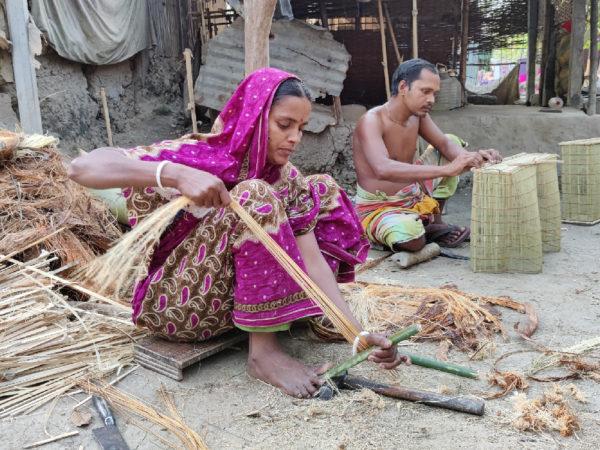
Home-based workers constitute one of the largest and most diverse segments of India’s informal workforce. Working from their homes, millions of workers-predominantly women-undertake a wide range of productive activities while simultaneously managing unpaid household and caregiving responsibilities. Their labour supports household incomes, preserves traditional skills, strengthens rural and urban economies, and contributes significantly to domestic and global supply chains.
Home-based workers are engaged in numerous economic activities across sectors, including:
Traditional Crafts and Textiles
Handloom weaving and traditional textiles
Handicrafts and appliqué work
Embroidery, tailoring and garment stitching
Shell, terracotta and stone crafts
Bamboo, cane, coir and natural fibre products
Household Manufacturing and Small-Scale Production
Agarbatti rolling
Beedi rolling
Candle making
Broom (Jhadu) making
Packaging and small assembly work
Food Processing and Forest-Based Livelihoods
Papad, pickles, spices and dry snacks
Sal leaf plate production
Tamarind, mahua, lac and other minor forest produce
Value addition to locally available natural resources
Community-Based Enterprises
Self-Help Group (SHG)-based micro-enterprises
Home-based service and production activities
Other cottage and household industries
Many of these activities are seasonal, piece-rate based, subcontracted through intermediaries, or carried out without written contracts. Despite making substantial contributions to household income, traditional industries, and national economic development, home-based workers continue to face low earnings, insecure livelihoods, limited bargaining power, and inadequate access to labour rights and social protection. Their work remains largely invisible in official statistics and insufficiently recognised within existing labour and welfare frameworks.
The proposed Home-Based Workers Bill seeks to address these longstanding challenges through a comprehensive rights-based legal framework that recognises home-based work as productive work deserving of dignity, protection, and equal opportunity.
Guiding Principles
The proposed legislation is founded on the following principles:
Recognition of home-based workers as workers entitled to legal rights and protections.
Dignity and Decent Work through safe, fair and equitable working conditions.
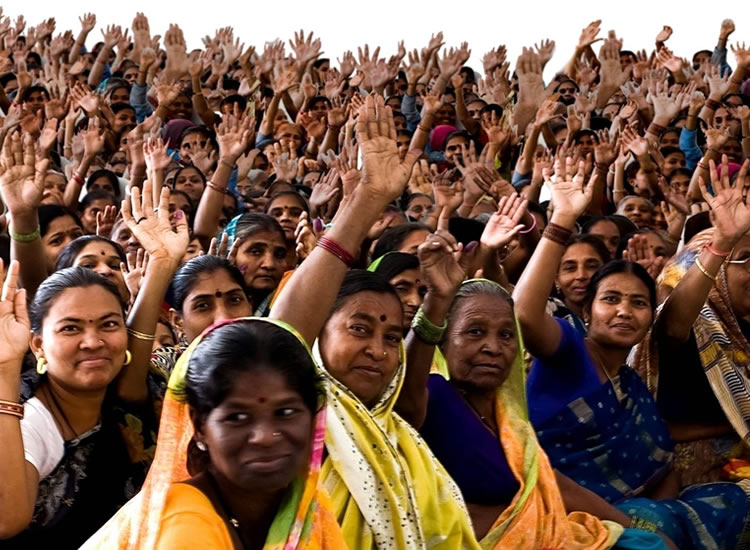
Gender Equality and Women’s Economic Empowerment, recognising that women constitute the majority of home-based workers.
Fair Remuneration for work performed and protection against economic exploitation.
Universal Social Protection through access to welfare schemes and social security benefits.
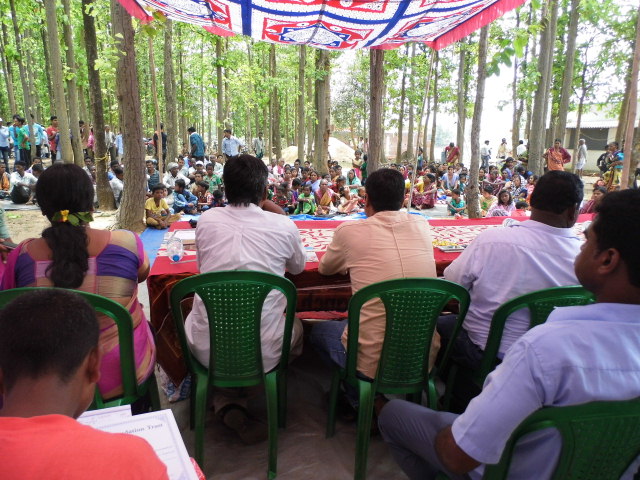
Participation and Collective Voice by promoting workers’ organisations, cooperatives and associations.
Inclusive and Sustainable Development by integrating home-based workers into national development strategies.
Why This Bill Matters
The proposed legislation seeks to transform home-based work from an invisible and unprotected form of labour into one that enjoys legal recognition and institutional support. It aims to:
Recognise millions of home-based workers as an integral part of India’s workforce.
Reduce economic vulnerability among informal workers.
Strengthen women’s economic participation and financial independence.
Promote sustainable livelihoods and preserve traditional skills and crafts.
Extend labour rights and social security to previously excluded workers.
Improve productivity through better access to finance, technology and markets.
Align India’s labour framework with internationally recognised principles of decent work.
The Proposed Home-Based Workers Bill
Recognising Invisible Work, Protecting Livelihoods
Home-based workers constitute one of the largest and most diverse segments of India’s informal workforce. Working from their homes, millions of workers-predominantly women-undertake a wide range of productive activities while simultaneously managing unpaid household and caregiving responsibilities. Their labour supports household incomes, preserves traditional skills, strengthens rural and urban economies, and contributes significantly to domestic and global supply chains.
Home-based workers are engaged in numerous economic activities across sectors, including:
Traditional Crafts and Textiles
Handloom weaving and traditional textiles
Handicrafts and appliqué work
Embroidery, tailoring and garment stitching
Shell, terracotta and stone crafts
Bamboo, cane, coir and natural fibre products
Household Manufacturing and Small-Scale Production
Agarbatti rolling
Beedi rolling
Candle making
Broom (Jhadu) making
Packaging and small assembly work
Food Processing and Forest-Based Livelihoods
Papad, pickles, spices and dry snacks
Sal leaf plate production
Tamarind, mahua, lac and other minor forest produce
Value addition to locally available natural resources
Community-Based Enterprises
Self-Help Group (SHG)-based micro-enterprises
Home-based service and production activities
Other cottage and household industries
Many of these activities are seasonal, piece-rate based, subcontracted through intermediaries, or carried out without written contracts. Despite making substantial contributions to household income, traditional industries, and national economic development, home-based workers continue to face low earnings, insecure livelihoods, limited bargaining power, and inadequate access to labour rights and social protection. Their work remains largely invisible in official statistics and insufficiently recognised within existing labour and welfare frameworks.
The proposed Home-Based Workers Bill seeks to address these longstanding challenges through a comprehensive rights-based legal framework that recognises home-based work as productive work deserving of dignity, protection, and equal opportunity.
Our Vision
To establish an inclusive and equitable legal framework that recognises, protects, and empowers home-based workers by ensuring legal recognition, decent work, social protection, livelihood security, and economic dignity.
Guiding Principles
The proposed legislation is founded on the following principles:
Recognition of home-based workers as workers entitled to legal rights and protections.
Dignity and Decent Work through safe, fair and equitable working conditions.
Gender Equality and Women’s Economic Empowerment, recognising that women constitute the majority of home-based workers.
Fair Remuneration for work performed and protection against economic exploitation.
Universal Social Protection through access to welfare schemes and social security benefits.
Participation and Collective Voice by promoting workers’ organisations, cooperatives and associations.
Inclusive and Sustainable Development by integrating home-based workers into national development strategies.
Why This Bill Matters
The proposed legislation seeks to transform home-based work from an invisible and unprotected form of labour into one that enjoys legal recognition and institutional support. It aims to:
Recognise millions of home-based workers as an integral part of India’s workforce.
Reduce economic vulnerability among informal workers.
Strengthen women’s economic participation and financial independence.
Promote sustainable livelihoods and preserve traditional skills and crafts.
Extend labour rights and social security to previously excluded workers.
Improve productivity through better access to finance, technology and markets.
Align India’s labour framework with internationally recognised principles of decent work.
Key Provisions
Legal Recognition
Provides formal legal recognition of home-based workers within India's labour framework and affirms their entitlement to statutory rights and protections.
Registration and Identity
Establishes a national registration system and provides official identity cards to facilitate access to government schemes, social security, and labour protections.
Social Protection
Ensures access to health insurance, maternity benefits, pensions, disability support, accident compensation, and other welfare measures.
Fair Remuneration
Introduces measures to promote fair remuneration, transparent contracting practices, timely payments, and protection against exploitation in subcontracting arrangements.
Occupational Safety and Health
Promotes safe and healthy working conditions by addressing occupational hazards associated with home-based production.
Skills, Finance and Market Access
Strengthens access to skill development, digital literacy, credit, technology, infrastructure, entrepreneurship support, and domestic and international markets.
Collective Representation
Recognises and supports workers' organisations, producer collectives, cooperatives, trade unions, and Self-Help Groups to strengthen collective bargaining and representation.
Grievance Redressal
Establishes accessible, transparent, and time-bound mechanisms for resolving disputes and addressing violations of workers' rights.
Institutional Framework
Provides for appropriate institutional mechanisms at the national, state, and local levels to coordinate implementation, monitor compliance, and advise governments on policies affecting home-based workers.
Research, Data and Monitoring
Promotes systematic identification, data collection, research, and periodic surveys to strengthen evidence-based policymaking and improve programme implementation.
Our Goal
The proposed Home-Based Workers Bill seeks to establish a comprehensive rights-based legislative framework that ensures recognition, protection, and economic empowerment for millions of home-based workers across India.
By providing legal recognition, strengthening social protection, promoting fair remuneration, expanding livelihood opportunities, and improving institutional support, the Bill aims to transform one of India’s largest yet historically invisible segments of the workforce into an integral part of the country’s inclusive development agenda.
Ultimately, the Bill aspires to ensure that every home-based worker is recognised not merely as a contributor to household income, but as a worker entitled to dignity, equality, social justice, and the full protection of the law.
ALL CONTACTS
- Plot: 25, M.S. Nagar, Unit-IV, Bhubaneswar, Dist: Khordha, Pin-751001, Odisha, India
- Office +91 9437961278
- dharamafoundation@gmail.com
SUBSCRIBE
Copyright@2026 Dharama Foundation – All Rights Reserved.Powered By Grexotix.
Copyright@2026 Dharama Foundation – All Rights Reserved.
Powered By Grexotix.