


Notice: Test mode is enabled. While in test mode no live donations are processed.

Any questions ?
Phone 202 303 405
Home-Based Workers Law
Why Home-Based Workers Matter
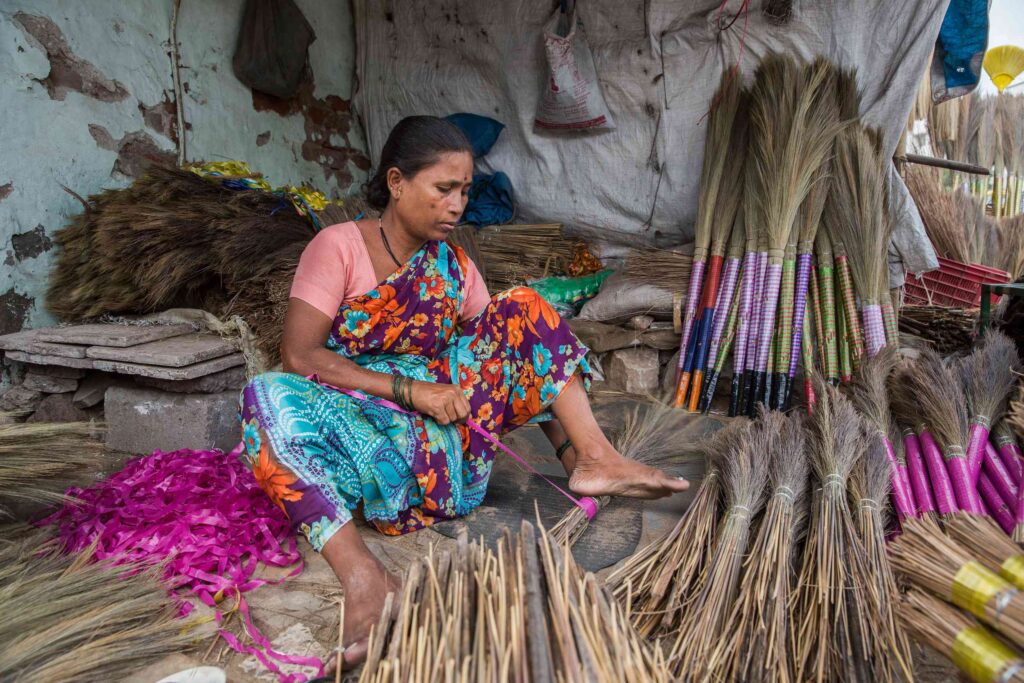
Home-based workers are among the invisible pillars of India’s economy. Working from their homes, they produce garments, handicrafts, textiles, food products, and a wide range of goods that sustain local markets, national industries, and global supply chains. The majority are women who balance income-generating work with unpaid household and caregiving responsibilities, making their contribution both economically significant and socially indispensable.
Despite their vital role, home-based workers remain one of the least protected segments of India’s workforce. Their work is often informal, unrecognised, and inadequately valued, leaving them without fair wages, social security, legal protection, or effective mechanisms to address workplace grievances. Their contribution to economic growth stands in sharp contrast to the limited recognition they receive within existing labour and welfare frameworks.
The Current Challenge
Home-based workers face multiple and interconnected challenges arising from the nature of informal production and subcontracting arrangements. Many receive irregular and inadequate remuneration, work under insecure conditions, and lack access to essential social protection measures such as health insurance, maternity benefits, pensions, and accident compensation.
Existing labour laws and social security frameworks do not adequately reflect the realities of home-based work. The absence of clearly identifiable employer-employee relationships, complex subcontracting chains, and the invisibility of work performed within households have resulted in significant gaps in legal protection and enforcement. Consequently, millions of home-based workers remain excluded from rights and benefits that are available to other categories of workers.
Towards Inclusive and Decent Work
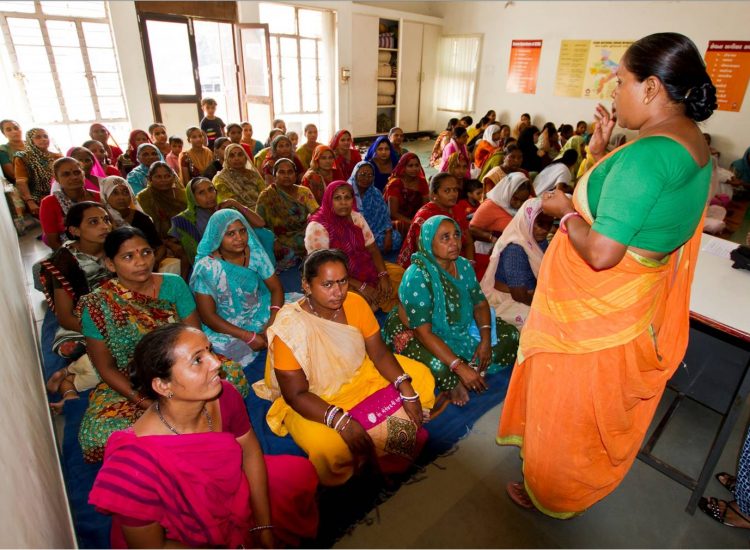
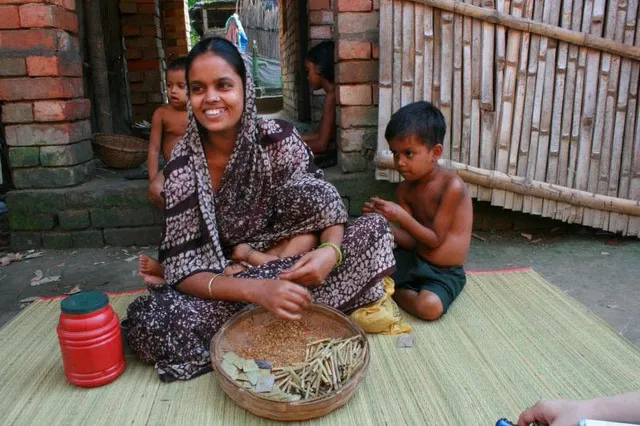
Recognising home-based workers is not merely a matter of labour regulation—it is a commitment to dignity, equality, and inclusive development. A dedicated Home-Based Workers Law would acknowledge their indispensable contribution to India’s economy while ensuring that economic participation is matched by legal rights, social protection, and decent working conditions.
The proposed legislation represents an important step towards building a labour framework that leaves no worker behind. By extending recognition, strengthening social protection, and promoting fair and decent work, India can move closer to its constitutional vision of social and economic justice while advancing the global commitment to decent work, gender equality, and inclusive economic development.
The Case for a Dedicated Home-Based Workers Law
Why Home-Based Workers Matter
Home-based workers are among the invisible pillars of India’s economy. Working from their homes, they produce garments, handicrafts, textiles, food products, and a wide range of goods that sustain local markets, national industries, and global supply chains. The majority are women who balance income-generating work with unpaid household and caregiving responsibilities, making their contribution both economically significant and socially indispensable.
Despite their vital role, home-based workers remain one of the least protected segments of India’s workforce. Their work is often informal, unrecognised, and inadequately valued, leaving them without fair wages, social security, legal protection, or effective mechanisms to address workplace grievances. Their contribution to economic growth stands in sharp contrast to the limited recognition they receive within existing labour and welfare frameworks.
The Current Challenge
Home-based workers face multiple and interconnected challenges arising from the nature of informal production and subcontracting arrangements. Many receive irregular and inadequate remuneration, work under insecure conditions, and lack access to essential social protection measures such as health insurance, maternity benefits, pensions, and accident compensation.
Existing labour laws and social security frameworks do not adequately reflect the realities of home-based work. The absence of clearly identifiable employer-employee relationships, complex subcontracting chains, and the invisibility of work performed within households have resulted in significant gaps in legal protection and enforcement. Consequently, millions of home-based workers remain excluded from rights and benefits that are available to other categories of workers.
Why India Needs a Dedicated Home-Based Workers Law
A dedicated Home-Based Workers Law is essential to bridge this long-standing gap between economic contribution and legal protection. Such a law would provide a comprehensive legal framework tailored to the unique realities of home-based work while promoting dignity, equality, and decent working conditions.
A dedicated law would:
Provide formal legal recognition to home-based workers.
Establish a system for identification and registration of workers.
Ensure fair remuneration and timely payment for work performed.
Extend access to social security, welfare schemes, and public services.
Promote safe and healthy working conditions.
Regulate subcontracting arrangements and improve accountability across supply chains.
Strengthen access to grievance redress mechanisms and legal remedies.
Facilitate organisation, collective representation, and social dialogue.
Improve collection of reliable data to support evidence-based policymaking.
Advance gender equality by recognising and protecting the work performed predominantly by women.
Together, these measures would strengthen livelihoods, reduce economic vulnerability, and promote inclusive and sustainable development.
National and International Context
India is home to one of the largest populations of home-based workers in the world. These workers contribute substantially to sectors such as textiles, garments, handicrafts, food processing, and small-scale manufacturing, forming an integral part of domestic and global production networks. Yet they continue to operate largely outside the protection of comprehensive labour legislation.
The need to protect home-based workers has also received international recognition through the adoption of the International Labour Organization (ILO) Home Work Convention, 1996 (No. 177). The Convention affirms that home-based workers should enjoy treatment comparable to other wage earners in relation to remuneration, occupational safety and health, social security, access to training, maternity protection, and freedom of association. It establishes an internationally accepted framework for recognising home-based work as legitimate work deserving of equal rights and protection.
The proposed Home-Based Workers Bill seeks to align India’s labour framework with these internationally recognised principles while responding to the country’s unique social and economic realities. It aims to integrate home-based workers into the broader labour protection regime without compromising the flexibility that characterises this form of work.
What the Proposed Bill Will Achieve
The proposed Home-Based Workers Bill seeks to:
Recognise home-based workers as workers entitled to legal rights and protections.
Establish mechanisms for registration and maintenance of official records.
Promote fair remuneration and transparent contracting practices.
Expand access to social security and welfare benefits.
Improve occupational health and safety standards.
Create effective institutional mechanisms for implementation, monitoring, and grievance redress.
Encourage coordination between government agencies, employers, contractors, and worker organisations.
Promote gender-responsive policies that acknowledge the disproportionate participation of women in home-based work.
By addressing these objectives, the Bill seeks to create a more equitable, accountable, and inclusive framework for one of India’s most significant yet historically overlooked categories of workers.
Towards Inclusive and Decent Work
Recognising home-based workers is not merely a matter of labour regulation—it is a commitment to dignity, equality, and inclusive development. A dedicated Home-Based Workers Law would acknowledge their indispensable contribution to India’s economy while ensuring that economic participation is matched by legal rights, social protection, and decent working conditions.
The proposed legislation represents an important step towards building a labour framework that leaves no worker behind. By extending recognition, strengthening social protection, and promoting fair and decent work, India can move closer to its constitutional vision of social and economic justice while advancing the global commitment to decent work, gender equality, and inclusive economic development.
ALL CONTACTS
- Plot: 25, M.S. Nagar, Unit-IV, Bhubaneswar, Dist: Khordha, Pin-751001, Odisha, India
- Office +91 9437961278
- dharamafoundation@gmail.com
SUBSCRIBE
Copyright@2026 Dharama Foundation – All Rights Reserved.Powered By Grexotix.
Copyright@2026 Dharama Foundation – All Rights Reserved.
Powered By Grexotix.