


Notice: Test mode is enabled. While in test mode no live donations are processed.

Any questions ?
Phone 202 303 405
Progress & Achievements
National Working Group on Home-Based Workers Bill
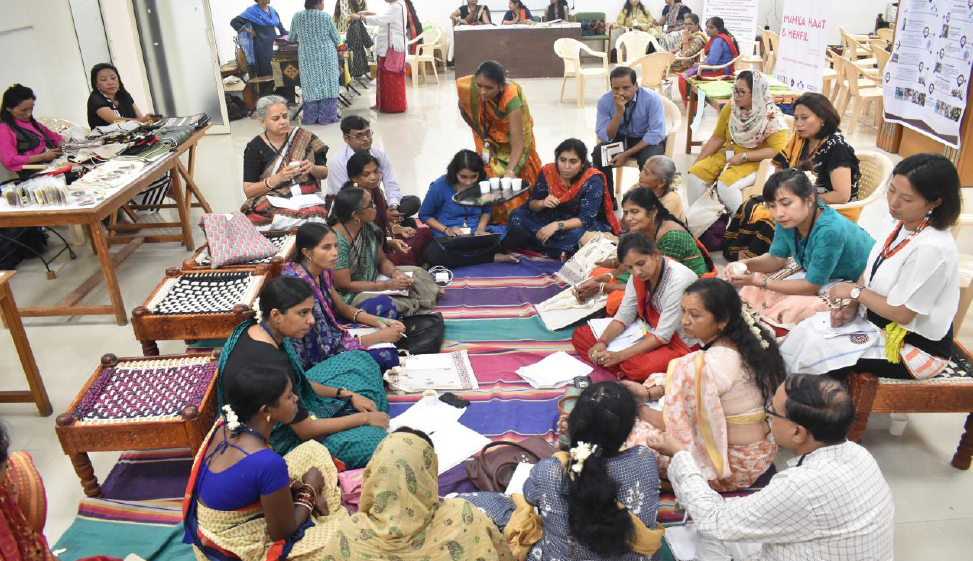
The initiative on the proposed Home-Based Workers Bill, coordinated by the Dharama Foundation, is a structured policy advocacy and pre-legislative consultative process aimed at developing a comprehensive and rights-based legislative framework for home-based workers in India.
The initiative is grounded in collaborative governance, evidence-based research, and multi-stakeholder engagement, bringing together experts, workers, civil society organisations, and policy stakeholders to support informed legislative development.
Drafting Progress
The legislative drafting process has reached an advanced stage:
The First Draft of the Home-Based Workers Bill has been completed
A Second Revised Draft has also been prepared and is ready for wider circulation and stakeholder feedback
The drafting process is iterative and continues to evolve through expert inputs, field evidence, and policy review.
State-Level Consultations
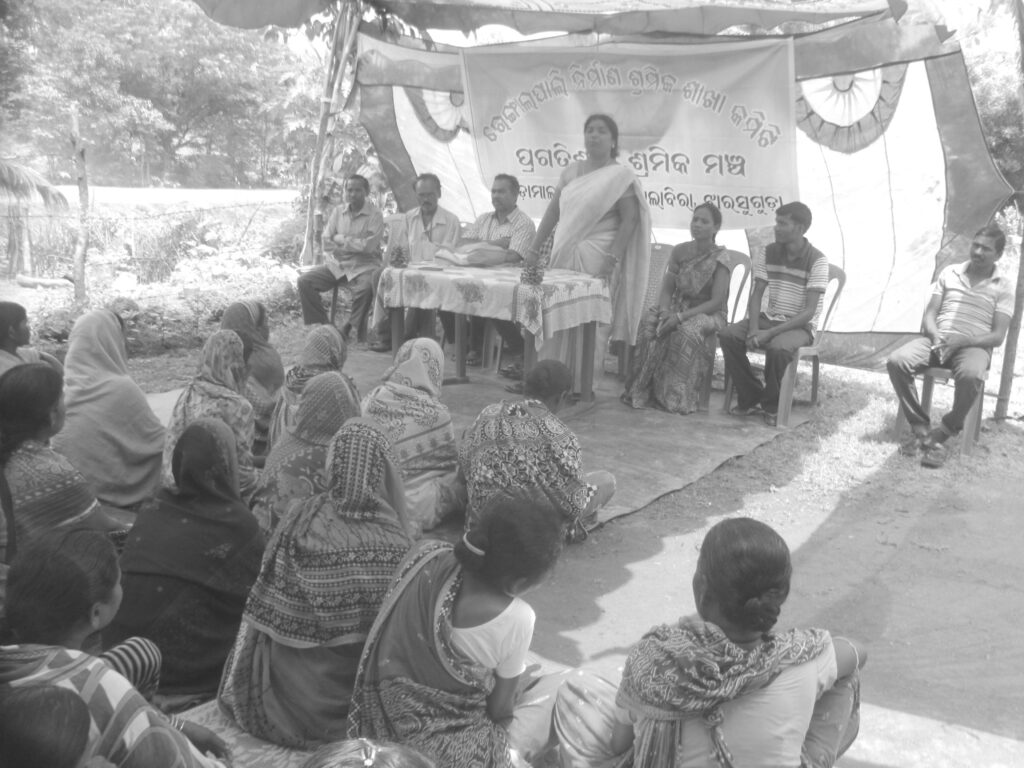
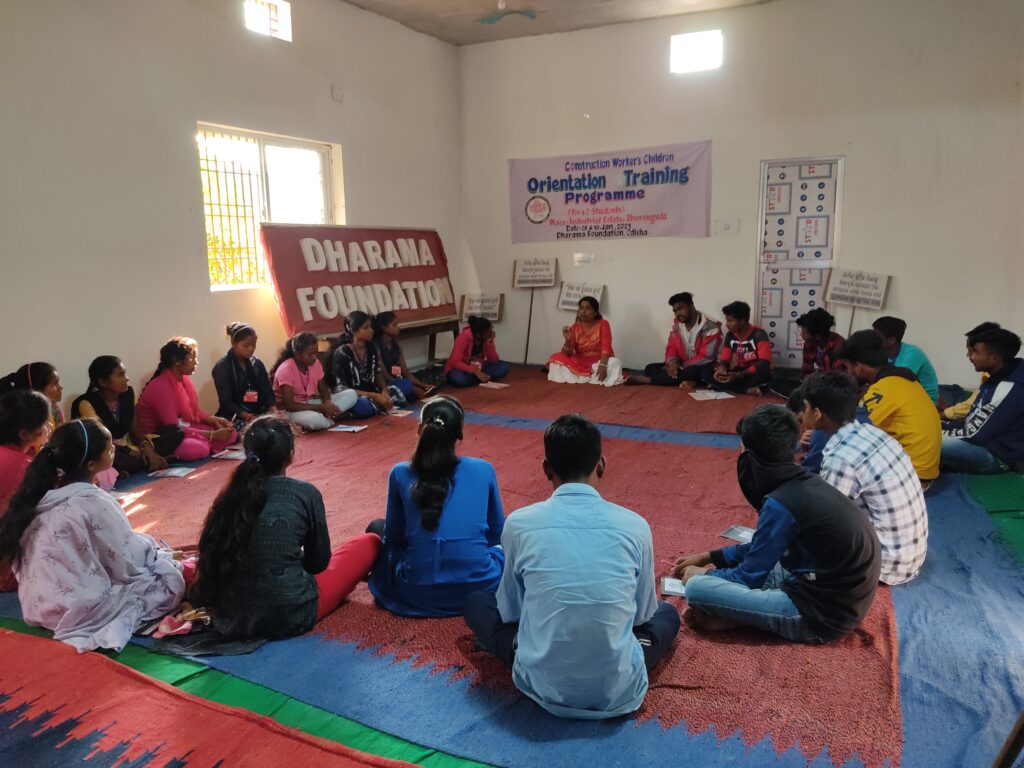
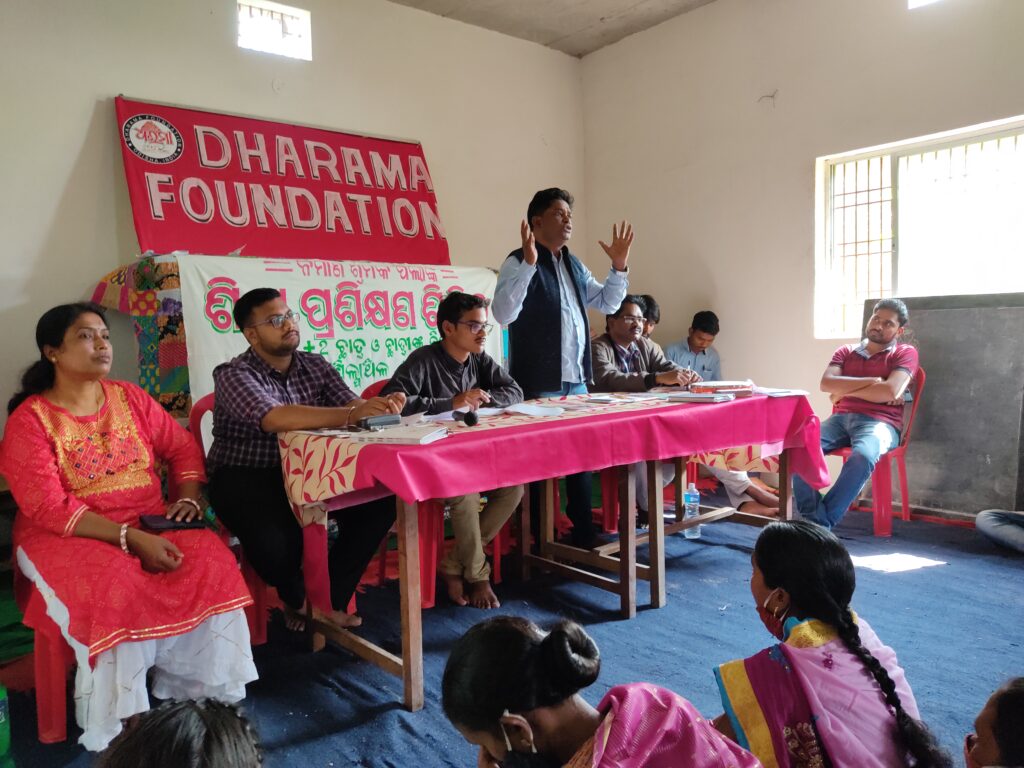
- Five state-level consultations have been successfully completed
20 district level consultations have been successfully completed
These consultations have provided valuable insights into regional variations in working conditions, income structures, and sectoral practices among home-based workers.
Worker and Field Engagement
Multi-state worker consultations are planned and will be initiated in the next phase
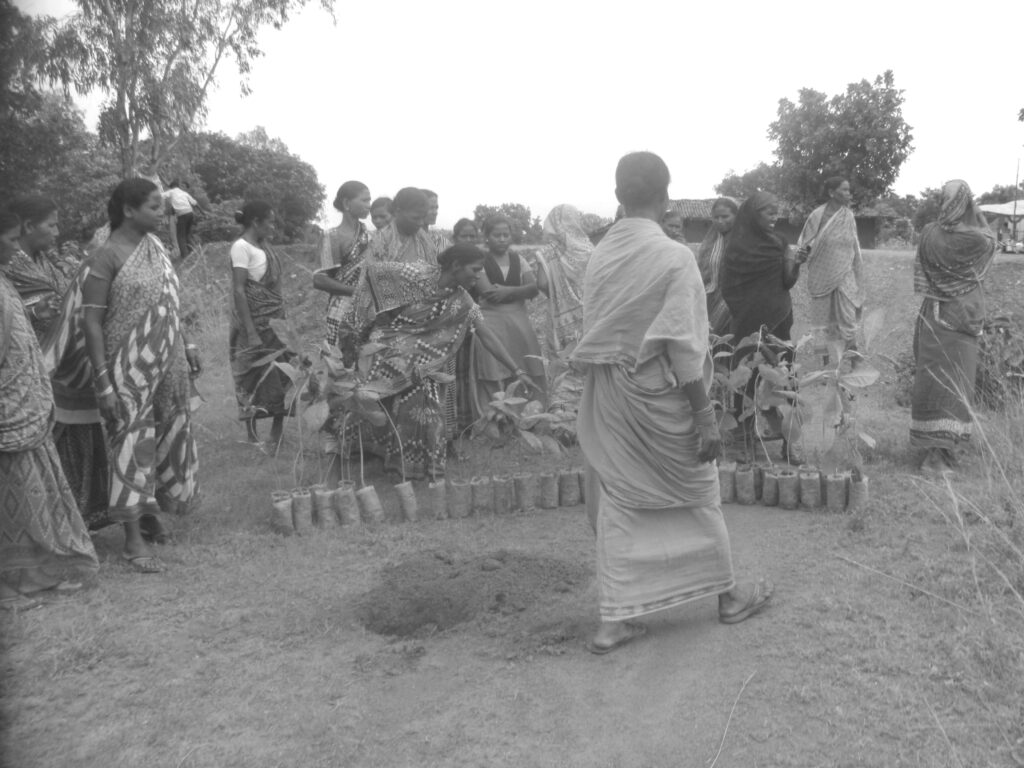
Field-level engagement with home-based workers has already informed key aspects of the draft framework
These engagements highlight critical challenges, including income insecurity, lack of social protection, subcontracting dependency, and limited market access.
Expert Consultations
Two structured expert consultations have been conducted through virtual (Google Meet) platforms
These consultations involved senior academicians, legal experts, and policy practitioners and have contributed significantly to strengthening the conceptual and legal framework of the proposed Bill.
Policy Dialogue and Parliamentary Engagement
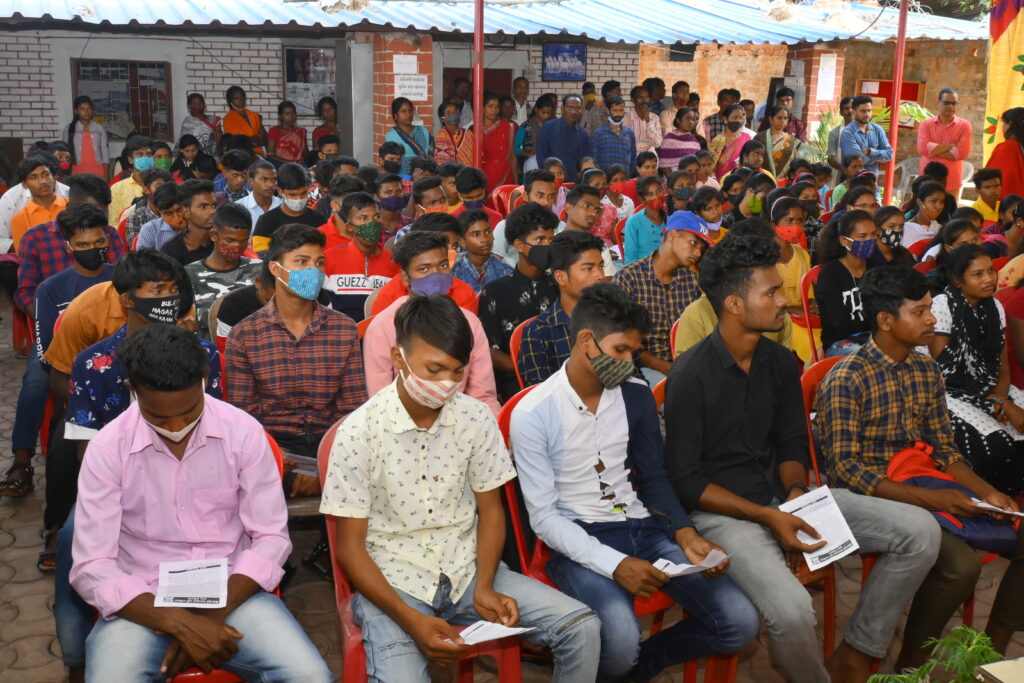
The Working Group has engaged in structured policy dialogue with Members of Parliament regarding the proposed introduction of a Private Member’s Bill on home-based workers.
Dialogue has been held with 16 Members of Parliament in different States
Several MPs have expressed support in principle for the initiative
Notably:
Bhartruhari Mahtab has agreed in principle to consider introduction of the Private Member’s Bill
Pradeep Panigrahy has expressed support for the initiative
Pradeep Purohit has also expressed support
These engagements are ongoing and exploratory in nature.
Evidence and Research Foundation
A structured evidence-building process is underway to support the legislative framework, including:
Review of labour and employment data
Documentation of sectoral case studies
Analysis of informal sector dynamics
Mapping of policy and legal gaps
Review of national and international frameworks, including ILO standards
This evidence base strengthens the credibility and feasibility of the proposed legislation.
Multi-Stakeholder Engagement
The initiative continues to engage with:
Civil society organisations
Academic and research institutions
Labour experts and practitioners
Women’s organisations and worker collectives
Development sector stakeholders
This ensures a broad-based and inclusive consultative process.
Funding and Support
The initiative is currently in a pre-institutional development phase and has not yet mobilised formal funding.
It is presently supported through contributions from:
Well-wishers
Individual supporters and collaborators
Further resource mobilisation will be undertaken as the institutional and digital infrastructure of the initiative is strengthened.
Next Phase
The initiative is moving towards:
Research Study:
A four-zone research study is being undertaken to systematically assess the socio-economic conditions of home-based workers across India and to build a clearer understanding of their work profile. The study aims to identify who the home-based workers are, the types of goods and services they produce, and the geographical clusters in which they operate. By mapping production activities across four broad zones, the research seeks to capture regional variations in livelihoods, skills, supply chains, and income patterns. This evidence base will support the development of a more targeted, inclusive, and data-driven legislative framework for home-based workers in India.
Wider national-level worker consultations in four zones
Expanded stakeholder engagement across states
Finalisation of the revised draft for public review
Strengthening of evidence and data systems
Continued policy dialogue with legislators and institutions
Exploration of pathways for formal legislative introduction
National Working Group on Home-Based Workers Bill
The initiative on the proposed Home-Based Workers Bill, coordinated by the Dharama Foundation, is a structured policy advocacy and pre-legislative consultative process aimed at developing a comprehensive and rights-based legislative framework for home-based workers in India.
The initiative is grounded in collaborative governance, evidence-based research, and multi-stakeholder engagement, bringing together experts, workers, civil society organisations, and policy stakeholders to support informed legislative development.
Drafting Progress
The legislative drafting process has reached an advanced stage:
The First Draft of the Home-Based Workers Bill has been completed
A Second Revised Draft has also been prepared and is ready for wider circulation and stakeholder feedback
The drafting process is iterative and continues to evolve through expert inputs, field evidence, and policy review.
State-Level Consultations
- Five state-level consultations have been successfully completed
20 district level consultations have been successfully completed
These consultations have provided valuable insights into regional variations in working conditions, income structures, and sectoral practices among home-based workers.
Worker and Field Engagement
Multi-state worker consultations are planned and will be initiated in the next phase
Field-level engagement with home-based workers has already informed key aspects of the draft framework
These engagements highlight critical challenges, including income insecurity, lack of social protection, subcontracting dependency, and limited market access.
Expert Consultations
Two structured expert consultations have been conducted through virtual (Google Meet) platforms
These consultations involved senior academicians, legal experts, and policy practitioners and have contributed significantly to strengthening the conceptual and legal framework of the proposed Bill.
Policy Dialogue and Parliamentary Engagement
The Working Group has engaged in structured policy dialogue with Members of Parliament regarding the proposed introduction of a Private Member’s Bill on home-based workers.
Dialogue has been held with 16 Members of Parliament in different States
Several MPs have expressed support in principle for the initiative
Notably:
Bhartruhari Mahtab has agreed in principle to consider introduction of the Private Member’s Bill
Pradeep Panigrahy has expressed support for the initiative
Pradeep Purohit has also expressed support
These engagements are ongoing and exploratory in nature.
Evidence and Research Foundation
A structured evidence-building process is underway to support the legislative framework, including:
Review of labour and employment data
Documentation of sectoral case studies
Analysis of informal sector dynamics
Mapping of policy and legal gaps
Review of national and international frameworks, including ILO standards
This evidence base strengthens the credibility and feasibility of the proposed legislation.
Multi-Stakeholder Engagement
The initiative continues to engage with:
Civil society organisations
Academic and research institutions
Labour experts and practitioners
Women’s organisations and worker collectives
Development sector stakeholders
This ensures a broad-based and inclusive consultative process.
Funding and Support
The initiative is currently in a pre-institutional development phase and has not yet mobilised formal funding.
It is presently supported through contributions from:
Well-wishers
Individual supporters and collaborators
Further resource mobilisation will be undertaken as the institutional and digital infrastructure of the initiative is strengthened.
Next Phase
The initiative is moving towards:
Research Study:
A four-zone research study is being undertaken to systematically assess the socio-economic conditions of home-based workers across India and to build a clearer understanding of their work profile. The study aims to identify who the home-based workers are, the types of goods and services they produce, and the geographical clusters in which they operate. By mapping production activities across four broad zones, the research seeks to capture regional variations in livelihoods, skills, supply chains, and income patterns. This evidence base will support the development of a more targeted, inclusive, and data-driven legislative framework for home-based workers in India.
Wider national-level worker consultations in four zones
Expanded stakeholder engagement across states
Finalisation of the revised draft for public review
Strengthening of evidence and data systems
Continued policy dialogue with legislators and institutions
Exploration of pathways for formal legislative introduction
Strategic Objective
This initiative represents a structured effort within a collaborative governance and pre-legislative policy framework aimed at addressing long-standing gaps in the recognition, protection, and empowerment of home-based workers in India.
It seeks to contribute to:
Evidence-based policymaking
Inclusive labour law reform
Gender-responsive policy development
Strengthening of informal sector protections
Advancement of decent work principles
Through consultation, research, and policy dialogue, the initiative aims to support the development of a comprehensive, implementable, and rights-based legislative framework for home-based workers in India.
ALL CONTACTS
- Plot: 25, M.S. Nagar, Unit-IV, Bhubaneswar, Dist: Khordha, Pin-751001, Odisha, India
- Office +91 9437961278
- dharamafoundation@gmail.com
SUBSCRIBE
Copyright@2026 Dharama Foundation – All Rights Reserved.Powered By Grexotix.
Copyright@2026 Dharama Foundation – All Rights Reserved.
Powered By Grexotix.