


Notice: Test mode is enabled. While in test mode no live donations are processed.

Any questions ?
Phone 202 303 405
Consultations & Stakeholder Engagement
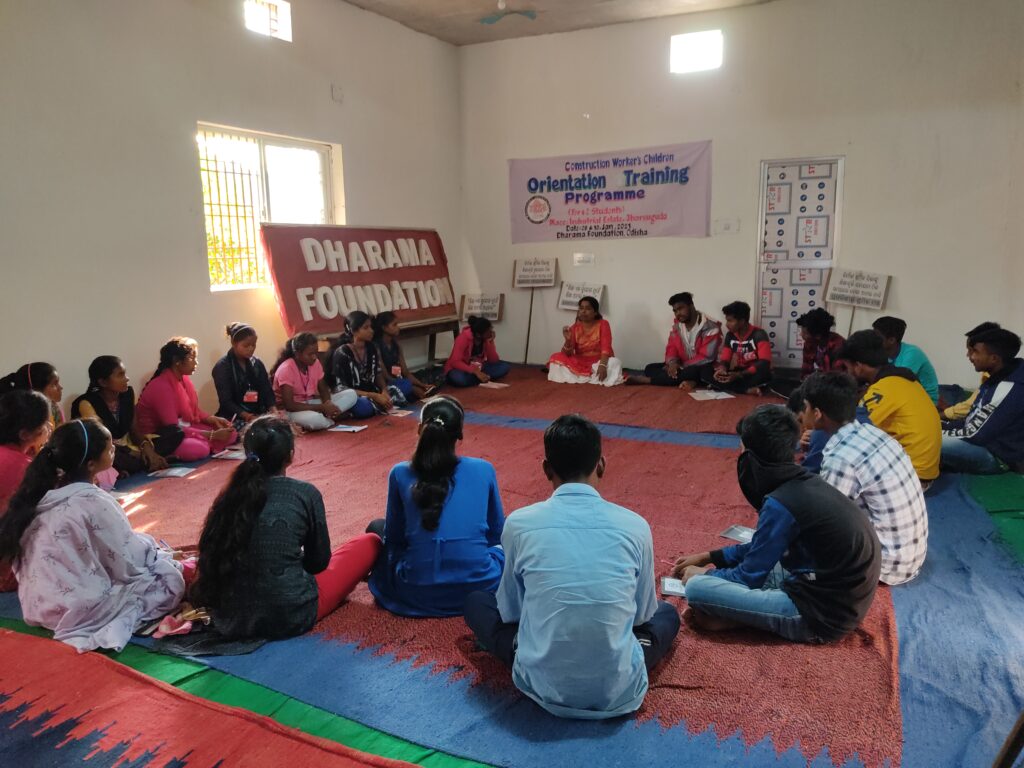
National Consultation Process
The proposed Home-Based Workers Bill is being developed through a transparent, inclusive, and participatory legislative process. The National Working Group on Home-Based Workers is committed to ensuring that the proposed law is informed not only by legal and policy expertise, but also by the lived experiences of home-based workers and the practical knowledge of institutions working closely with them.
The consultation process recognises that effective legislation must reflect ground realities, address structural challenges in the informal economy, and respond to the diverse social, economic, and regional contexts in which home-based workers operate across India.
Stakeholders Engaged
The consultation process brings together a wide range of stakeholders, including:
Home-based workers and worker collectives
Trade unions and labour organisations
Women’s organisations and Self-Help Groups (SHGs)
Producer groups, cooperatives, and micro-enterprises
Legal experts and labour law practitioners
Academics, researchers, and policy institutions
Civil society organisations and development practitioners
Employers, contractors, and value-chain intermediaries (as relevant)
Government departments and labour administration authorities
State-level stakeholders and policy institutions
International organisations and development partners
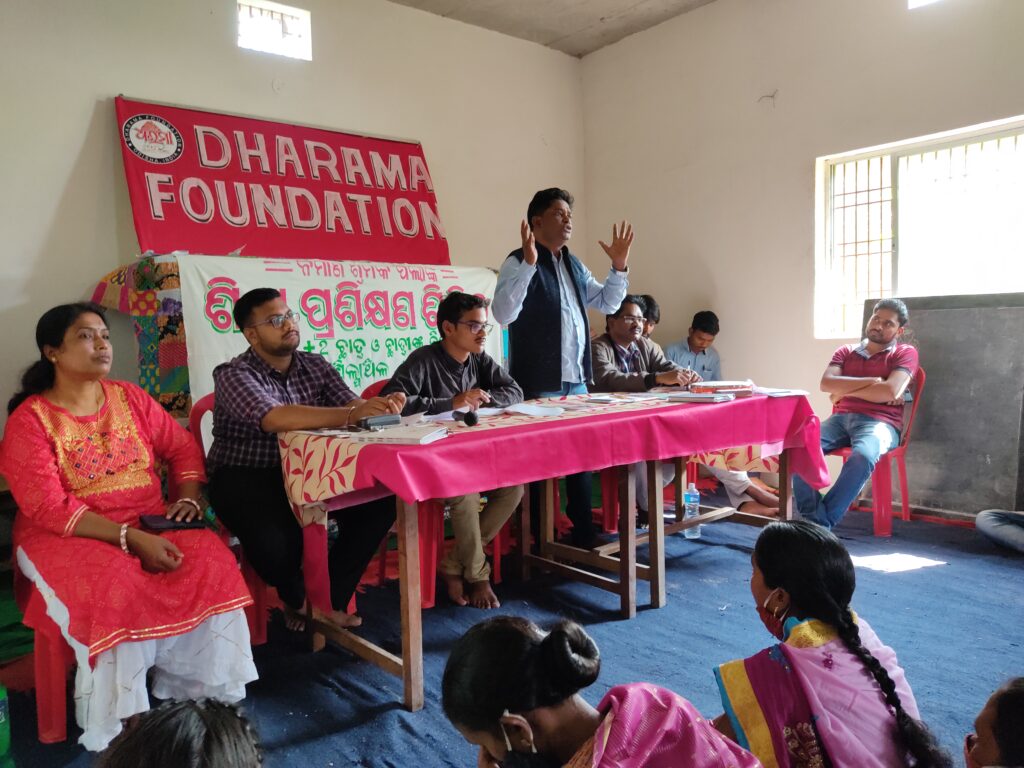
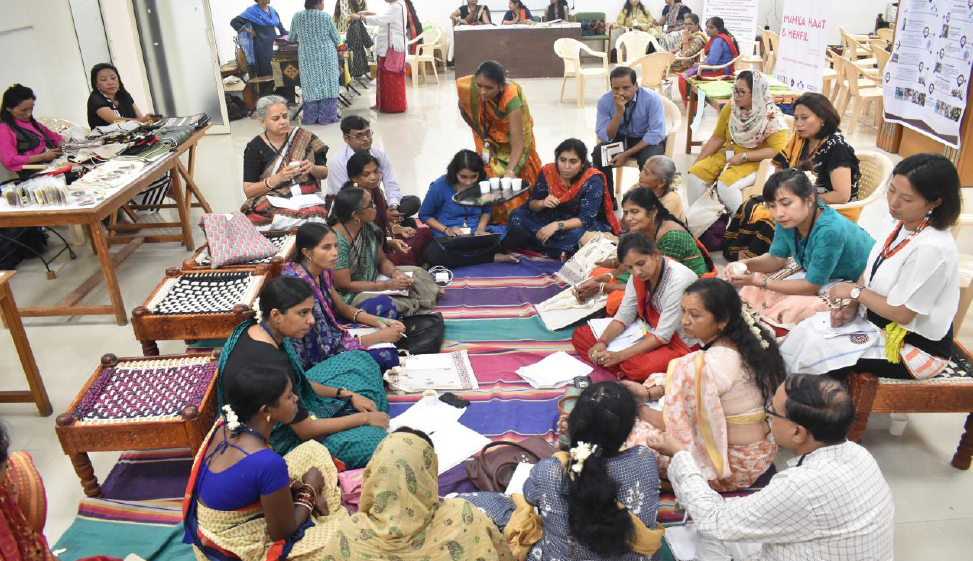
Modes of Consultation
The National Working Group undertakes consultations through multiple formats to ensure broad-based participation and meaningful engagement, including:
Worker and community-level consultations
Focus group discussions with home-based workers
Expert roundtables and policy dialogues
Academic and legal consultations
Multi-stakeholder workshops and thematic meetings
State and national-level consultation forums
Written submissions and policy feedback mechanisms
These formats are designed to ensure accessibility, inclusiveness, and representation of diverse voices across sectors and regions.
National Consultation Process
The proposed Home-Based Workers Bill is being developed through a transparent, inclusive, and participatory legislative process. The National Working Group on Home-Based Workers is committed to ensuring that the proposed law is informed not only by legal and policy expertise, but also by the lived experiences of home-based workers and the practical knowledge of institutions working closely with them.
The consultation process recognises that effective legislation must reflect ground realities, address structural challenges in the informal economy, and respond to the diverse social, economic, and regional contexts in which home-based workers operate across India.
Stakeholders Engaged
The consultation process brings together a wide range of stakeholders, including:
Home-based workers and worker collectives
Trade unions and labour organisations
Women’s organisations and Self-Help Groups (SHGs)
Producer groups, cooperatives, and micro-enterprises
Legal experts and labour law practitioners
Academics, researchers, and policy institutions
Civil society organisations and development practitioners
Employers, contractors, and value-chain intermediaries (as relevant)
Government departments and labour administration authorities
State-level stakeholders and policy institutions
International organisations and development partners
Modes of Consultation
The National Working Group undertakes consultations through multiple formats to ensure broad-based participation and meaningful engagement, including:
Worker and community-level consultations
Focus group discussions with home-based workers
Expert roundtables and policy dialogues
Academic and legal consultations
Multi-stakeholder workshops and thematic meetings
State and national-level consultation forums
Written submissions and policy feedback mechanisms
These formats are designed to ensure accessibility, inclusiveness, and representation of diverse voices across sectors and regions.
Guiding Principles of Consultation
The consultation process is guided by the following principles:
Inclusiveness – ensuring participation of all relevant stakeholder groups, particularly marginalised workers
Participation – enabling meaningful engagement of home-based workers in shaping policy
Transparency – maintaining openness in process and documentation
Evidence-based deliberation – grounding discussions in data, research, and field realities
Gender responsiveness – recognising the central role of women in home-based work
Regional diversity – capturing variations across states, sectors, and communities
Respect for lived experience – valuing worker knowledge as a key source of policy insight
Purpose of Consultations
The consultation process aims to:
Document the lived realities, challenges, and aspirations of home-based workers
Identify key gaps in existing labour and social protection frameworks
Inform the drafting of a comprehensive and rights-based legislative framework
Strengthen institutional and implementation mechanisms
Improve gender responsiveness and social inclusion in policy design
Build consensus among stakeholders on key provisions of the proposed Bill
Enhance the practical feasibility and effectiveness of the legislation
Commitment
Through this consultation process, the National Working Group on Home-Based Workers reaffirms its commitment to participatory lawmaking. The insights and recommendations generated through stakeholder engagement will directly contribute to the development of a comprehensive, rights-based, and gender-responsive Home-Based Workers Bill for India.
This process seeks to ensure that the proposed legislation is not only legally robust, but also socially grounded, practically implementable, and reflective of the voices of those it seeks to protect and empower.
ALL CONTACTS
- Plot: 25, M.S. Nagar, Unit-IV, Bhubaneswar, Dist: Khordha, Pin-751001, Odisha, India
- Office +91 9437961278
- dharamafoundation@gmail.com
SUBSCRIBE
Copyright@2026 Dharama Foundation – All Rights Reserved.Powered By Grexotix.
Copyright@2026 Dharama Foundation – All Rights Reserved.
Powered By Grexotix.